

How Glass Packaging Trends Will Shape Wine & Spirits in 2026
The wine and spirits industry is standing on the precipice of a major design evolution. For years, “premium” was defined by weight, excess, and tradition. For 2026, a new definition of luxury is emerging; one that values intelligence over mass, and tactile storytelling over simple visual appeal.
For brand owners and procurement leaders, staying ahead of these glass packaging trends in 2026 is no longer just about aesthetics; it is a matter of strategic survival. From the rise of “quiet luxury” and right-weighted glass to the complex pressures of global supply chains, the packaging decisions made today will define brand resilience tomorrow.
In this forecast, we explore how sustainable luxury, ergonomic innovation, and smart supply chain strategies are reshaping the premium landscape, and how Global Package provides the specialized glass solutions needed to help you navigate this future.
The State of Glass Packaging for Wine & Spirits
At Global Package, we’ve seen firsthand that glass continues to be the top choice for wine and spirits packaging, underpinned by its functional strength and premium associations. In 2024, glass accounted for roughly 67 percent of the United States wine packaging market, with bottles dominating more than half of total packaging value.
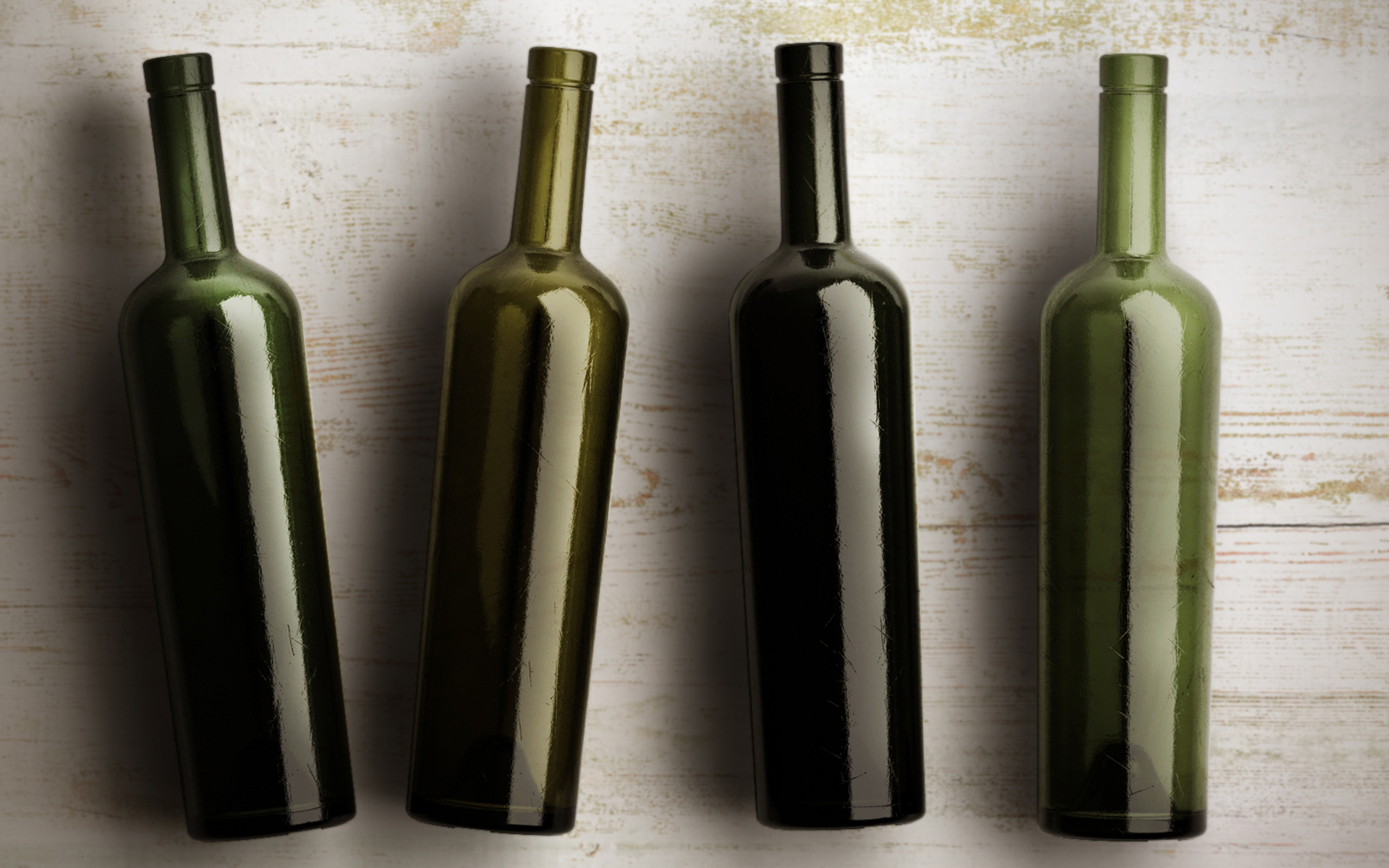
The dominance of glass packaging is driven in part by its ability to protect product integrity. Its impermeability to air and light helps preserve flavor and balance, and its premium aesthetic aligns with consumer expectations for high‑quality wine and spirits.
While alternative formats such as aluminum cans, bag‑in‑box and paper bottles are gaining visibility, particularly in sustainability‑focused or value segments, glass maintains superiority in core premium categories. Research on alcoholic beverage packaging further highlights how craft and premium offerings often prioritize glass for its authenticity and design versatility, supporting brand storytelling and differentiation in crowded markets.
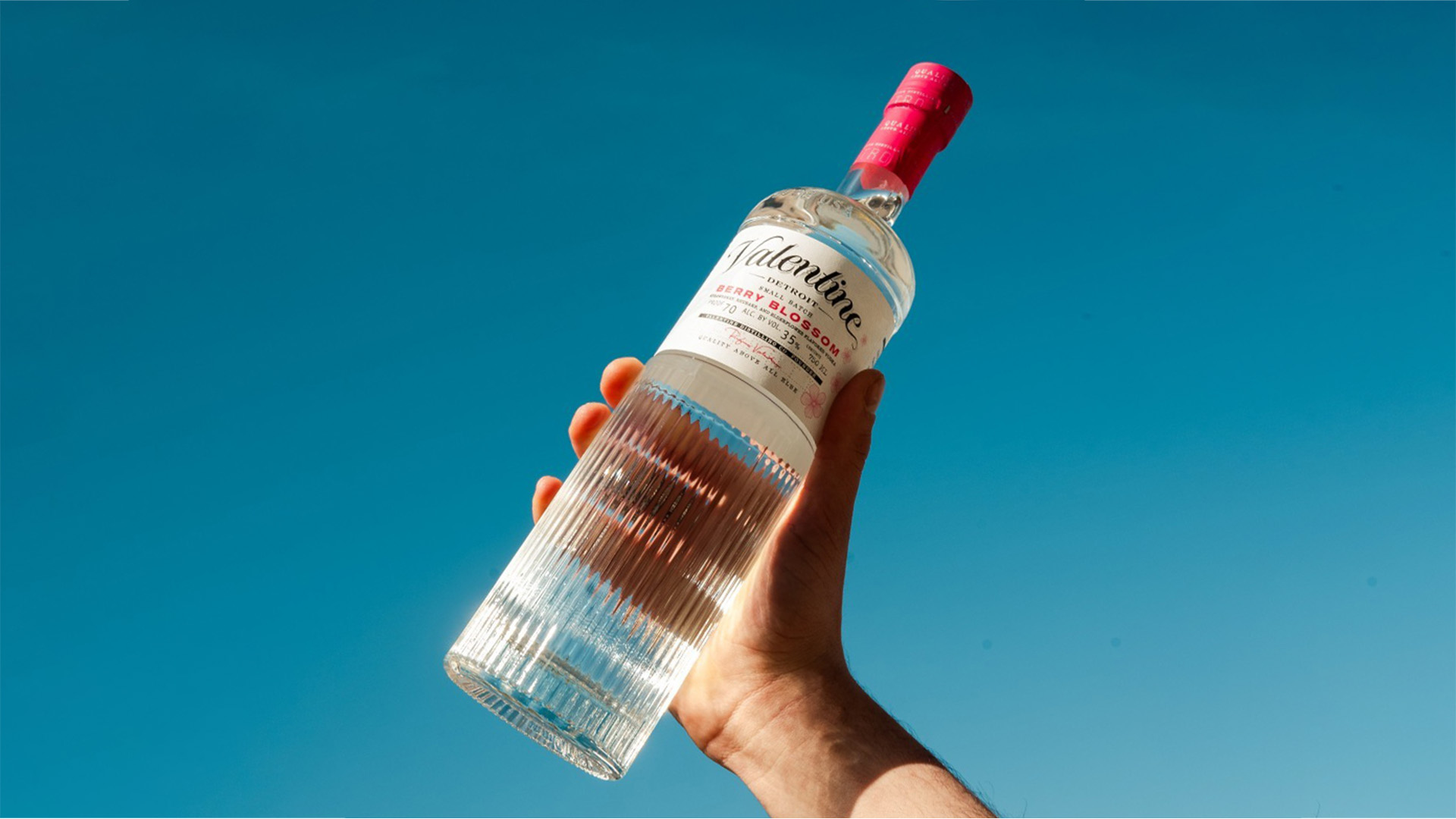
At Global Package, we provide the thoughtful leadership required to help brands navigate these material choices, providing custom glass packaging that transforms a brand’s vision into a tangible reality. We designed the bottles for Valentine Distilling’s vodka range with textured ridges and an elegant taper to create a sleek, light-catching silhouette that feels as refined as the spirit itself. For Tycoon Spirits , we focused on a bold, refined aesthetic, using sharp geometry and frosted textures to create a bottle that commands attention. Similarly, our work on Revivalist Gin highlights how intricate details and graceful forms can honor a craft like pre-Prohibition distilling. Each of these projects illustrates our commitment to moving beyond standard supply to create packaging that is as distinctive and inspiring as the wine or spirit within.
In today’s increasingly competitive and evolving market, the versatility of glass is what allows a brand to tell its story and differentiate itself on a crowded shelf. In 2026, glass remains the central pillar for wine and spirit brands that refuse to compromise on quality.
Glass Packaging Supply, Availability, & Cost Drivers
Managing costs is an essential baseline, but it is only the starting point for a truly cost effective packaging strategy that balances premium aspirations with market realities. At Global Package, we act as an embedded partner in your decision-making process rather than a transactional vendor. Our expertise lies in balancing your premium aspirations with price discipline, manufacturing constraints, and the hard realities of the market.
Navigating 2026 means managing a convergence of pressures, including raw material scarcity, logistical complexities, and the impact of trade tariffs. We prioritize transparency around these factors to help you build a resilient supply chain that protects both your brand and your bottom line.
Raw Material Scarcity & Cost Pressure
Glass production relies on a handful of critical raw materials, and fluctuations in these inputs ripple through cost structures and supply reliability. High‑purity silica sand forms the backbone of container glass, yet only a small fraction of global reserves meets industrial quality standards, with geographic concentrations that can create bottlenecks when transport or export conditions shift. These supply dynamics contribute to material price volatility and production cost pressure.
Lead Times & Supply Chain Complexity
Lead times for bottle production and delivery remain a strategic consideration. Industry data indicates that the full cycle from raw material sourcing to finished bottle delivery can span several weeks.
While logistics and carrier constraints are factors, production scheduling typically dictates the critical path; manufacturing throughput varies significantly between facilities, and domestic glass sourcing does not inherently guarantee the fastest supply. As a result, procurement planning must account for extended timelines, particularly for bespoke or specialized bottles.
Logistics & Fragility Costs
Glass’s physical characteristics add another layer of complexity. Its weight and brittleness increase transport costs and risk of breakage compared with alternative materials. These logistical factors can amplify costs in long‑haul freight and complicate just‑in‑time inventory strategies.
To help brands manage these challenges, Global Package offers the Elegant Light Line, a collection of lighter-weight bottles that maintain premium aesthetics while reducing shipping costs and carbon footprint.
Tariffs & Trade Impacts on Availability
Trade policy has become a significant factor in glass bottle sourcing for 2026, especially for brands reliant on imported containers. Recent U.S. tariff actions, including percentage-based taxes on imports from China, Mexico, and other trading partners, have raised the landed cost of imported glass bottles, prompting many buyers to recalibrate sourcing strategies.
These tariffs do more than just increase costs; they often result in reduced domestic stock availability as demand shifts toward local suppliers, tightening the immediate supply. Global Package leverages decades of established relationships across European, Asian, and domestic markets, allowing brands to pivot their sourcing and find the most favorable landed costs as global trade policies shift.
For deeper context on how tariff volatility can disrupt glass bottle supply and influence sourcing strategies, see Global Package’s strategic response on navigating U.S. tariff volatility.
Sustainable Packaging Trends
For wine and spirits brands, sustainability is a strategic imperative that shapes packaging investment, brand positioning, and consumer appeal. In glass packaging, this translates to reducing environmental impact while preserving premium quality and elegance.
Lightweighting & Carbon Reduction
Reducing glass weight is one of the most tangible ways to cut carbon emissions and improve supply efficiency. Industry initiatives like the Sustainable Wine Roundtable’s Bottle Weight Accord aim to reduce the average weight of 750 ml still wine bottles to below 420 g by the end of 2026, reflecting the view that lighter bottles help lower emissions without diminishing consumer appeal.
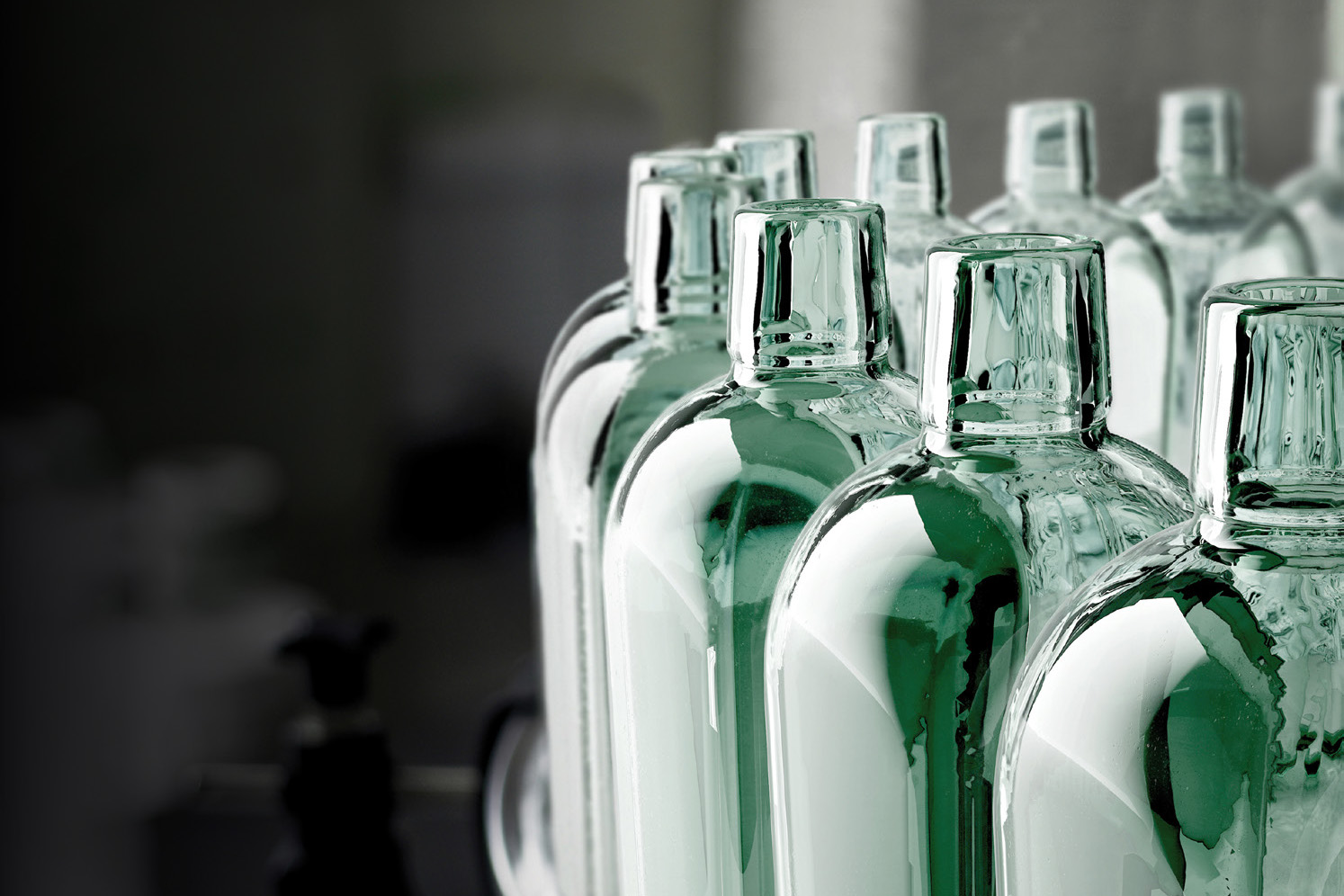
In this context, Global Package’s Elegant Light Line offers a strategic advantage. These bottles combine a sophisticated European‑inspired design with reduced weight, lowering shipping emissions and logistics costs while retaining premium presence on shelf.
Recycled Content & Circular Economy
The use of post-consumer recycled glass significantly reduces energy consumption and emissions during production. Recycled material requires lower melting temperatures, its use decreases the total energy required for each furnace pull. This shift cuts the demand for newly mined resources and reduces the carbon footprint of each bottle, helping brands demonstrate tangible environmental action through truly circular packaging.
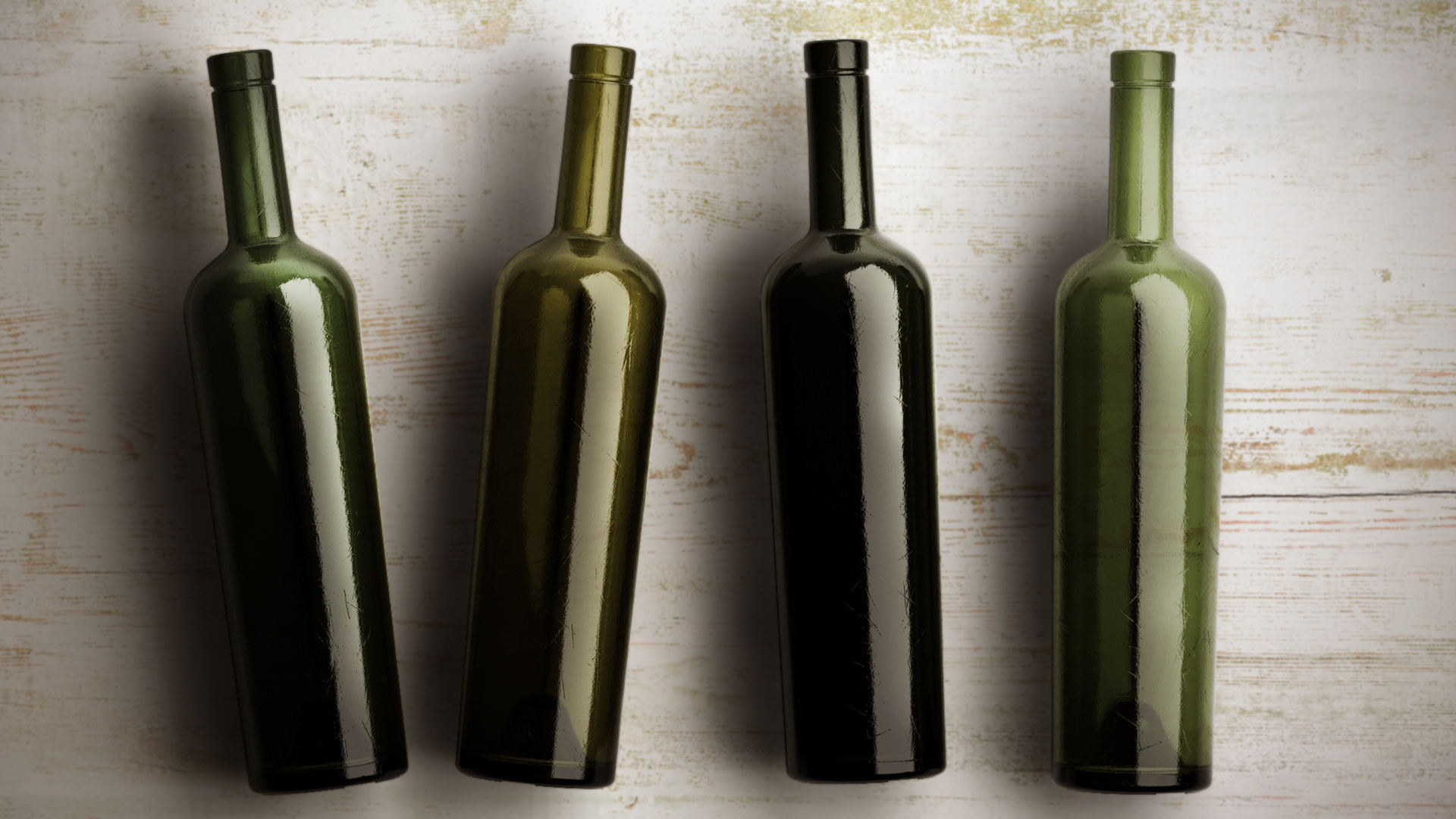
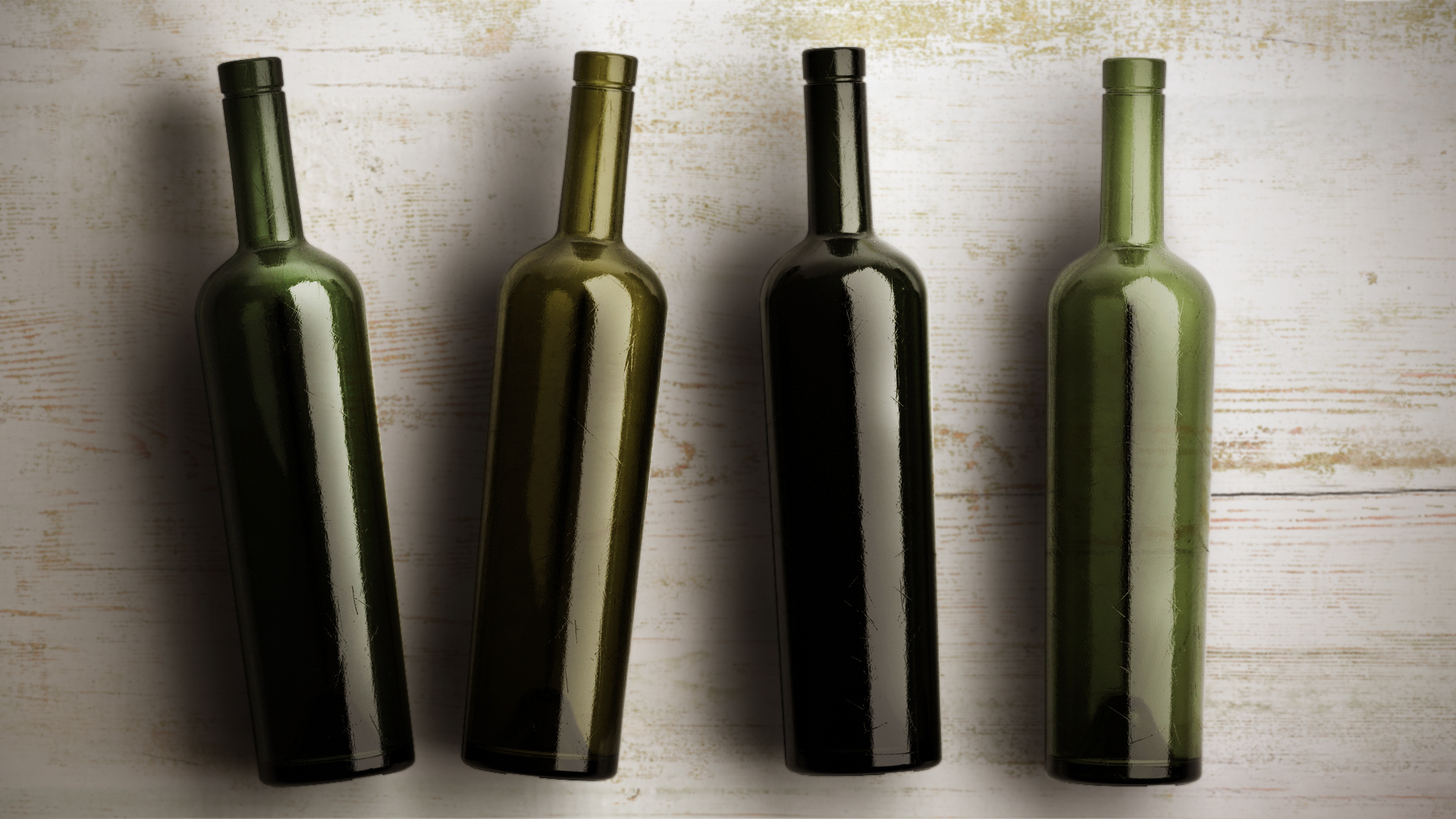
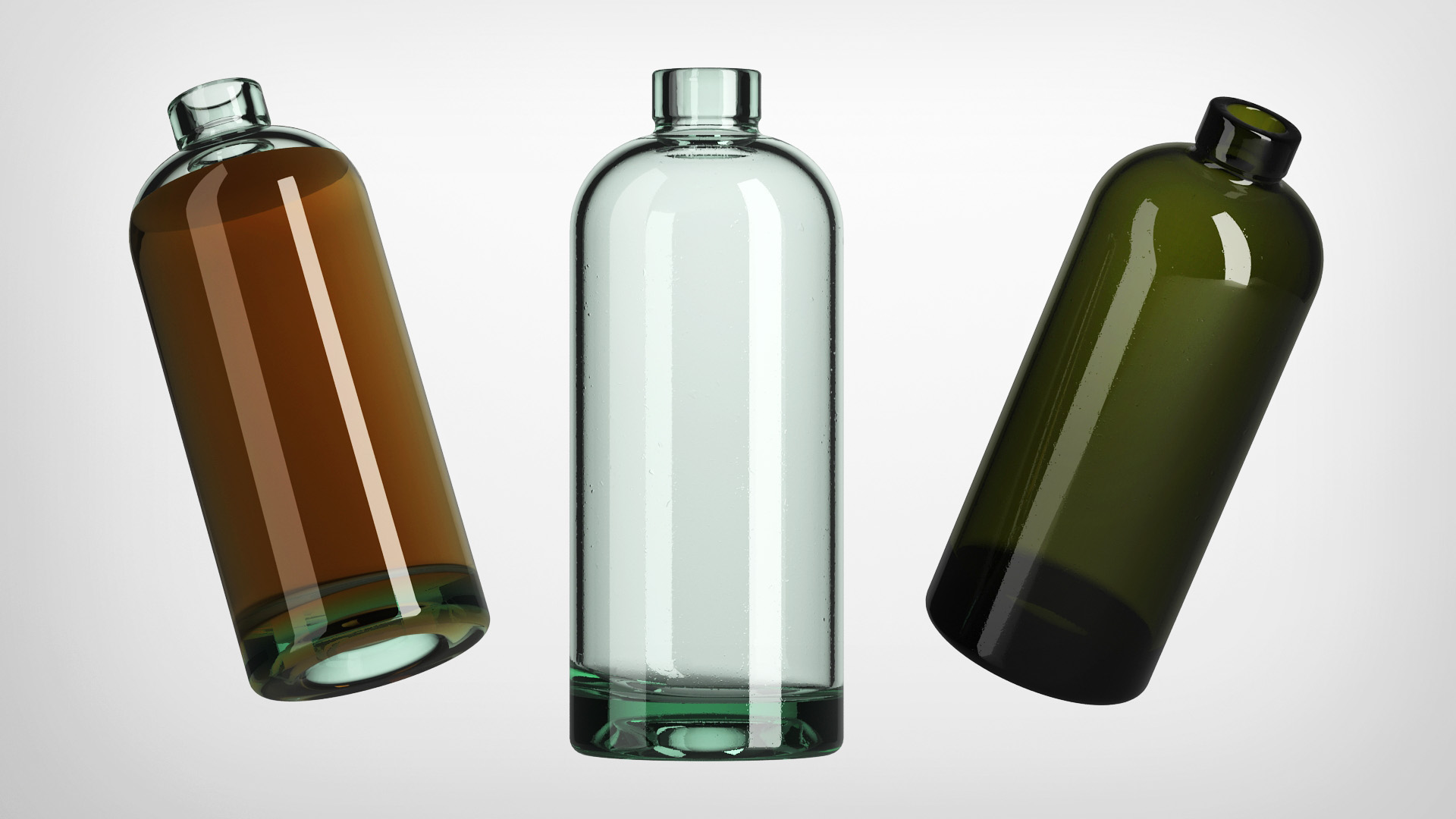
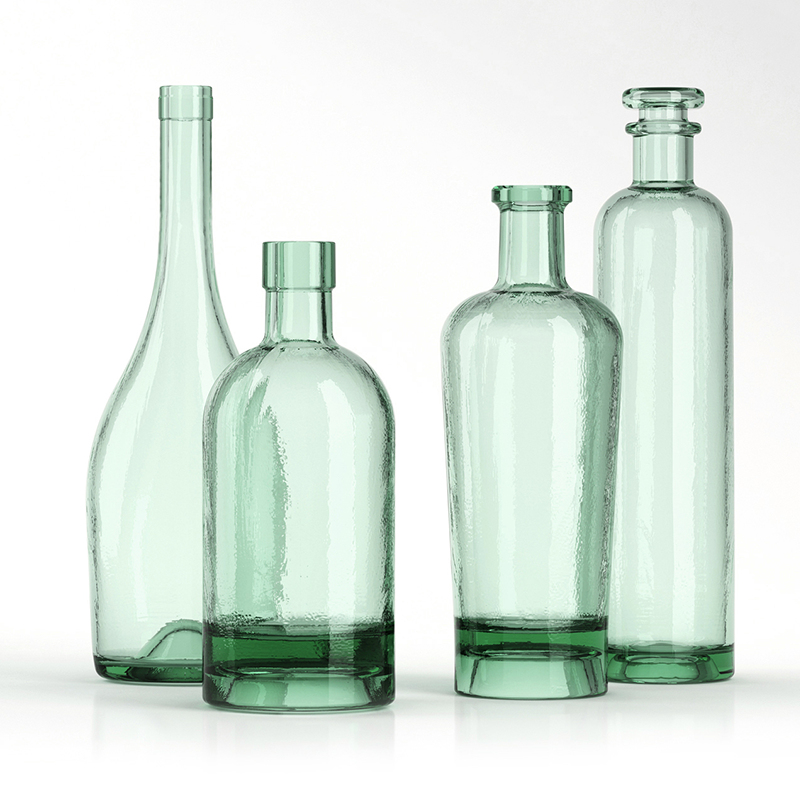
Global Package is a proud supplier of Estal’s Wild Glass range, which embodies this principle with bottles crafted from 100 percent post‑consumer recycled glass. Each bottle’s natural variations and aesthetic character celebrate sustainable material use, and retaining structurally sound manufacturing ensures performance equal to traditional glass. This approach aligns with circular economy goals while helping brands communicate a genuine commitment to environmental responsibility.
Broader Industry Movement
In the United States, glass recycling and reuse play an important role in shaping future packaging sustainability. Although recycling rates vary by region, efforts to improve collection infrastructure and increase cullet availability are increasingly central to domestic supply chain resilience.
U.S. recycling initiatives highlight how cullet helps cut energy use and emissions in glass production and supports a more circular packaging system, reinforcing glass’s role in premium wine and spirits packaging.
Why This Matters to Wine & Spirit Brands
Sustainable packaging is now part of strategic brand planning. By embracing lightweight and high‑recycled content options, producers can achieve measurable environmental goals, support premium identity and align with consumer expectations for responsible design. Global Package leads this effort by providing innovative solutions like the lightweight Elegant Light line and the eco-forward Wild Glass collection. These trends are not optional extras; they are essential considerations for brands shaping their positioning and supply choices in 2026 and beyond.
Design, Premiumization, & Innovation Trends
In the 2026 premium wine and spirits market, packaging is no longer just a container; it is the primary driver of “Quiet Luxury”.
In 2026, the definition of premiumization is shifting. The era of excessive ornamentation is giving way to intelligent design where sustainability, tactility, and accessibility signal value. Buyers are increasingly evaluating packaging not just on shelf presence, but on its ethical footprint and sensory engagement.
At Global Package, we specialize in the creative and custom glass that makes this transition possible. Moving far beyond standard bottle supply, we pride ourselves on being your dedicated problem-solver throughout the entire journey, partnering with you from initial concept and design all the way to final delivery.
The Rise of Lightweight Glass Bottles
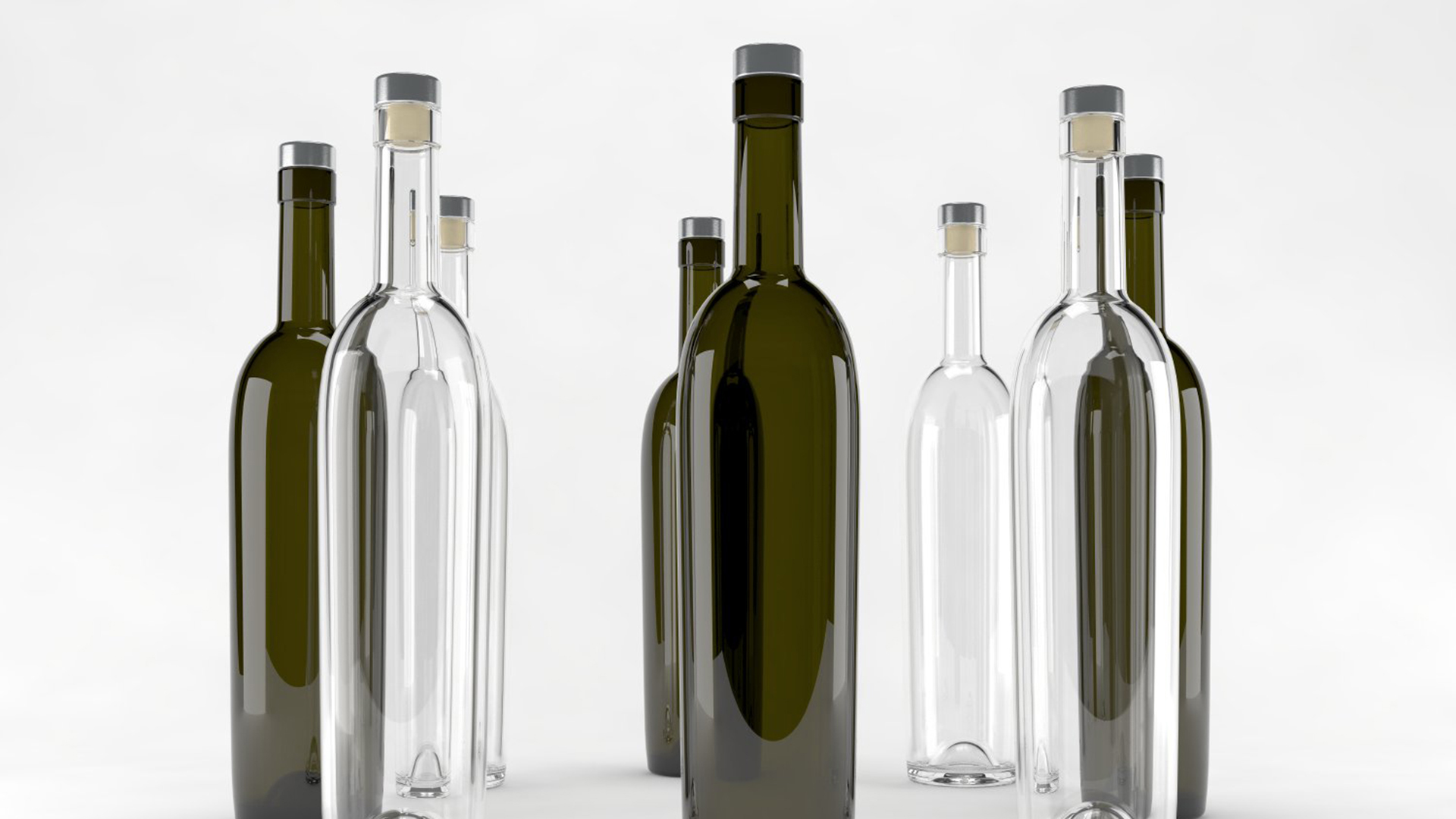
For decades, heavy glass was the shorthand for premium quality. In 2026, that equation is being rewritten. Leading market analysts identify “Lightweight Luxury” as a dominant trend for the coming year. High-end brands are pivoting to “right-weighted” glass which uses sophisticated, optimized silhouettes to reduce carbon footprint without sacrificing aesthetic impact.
Tactile Design Trends in Spirits Packaging
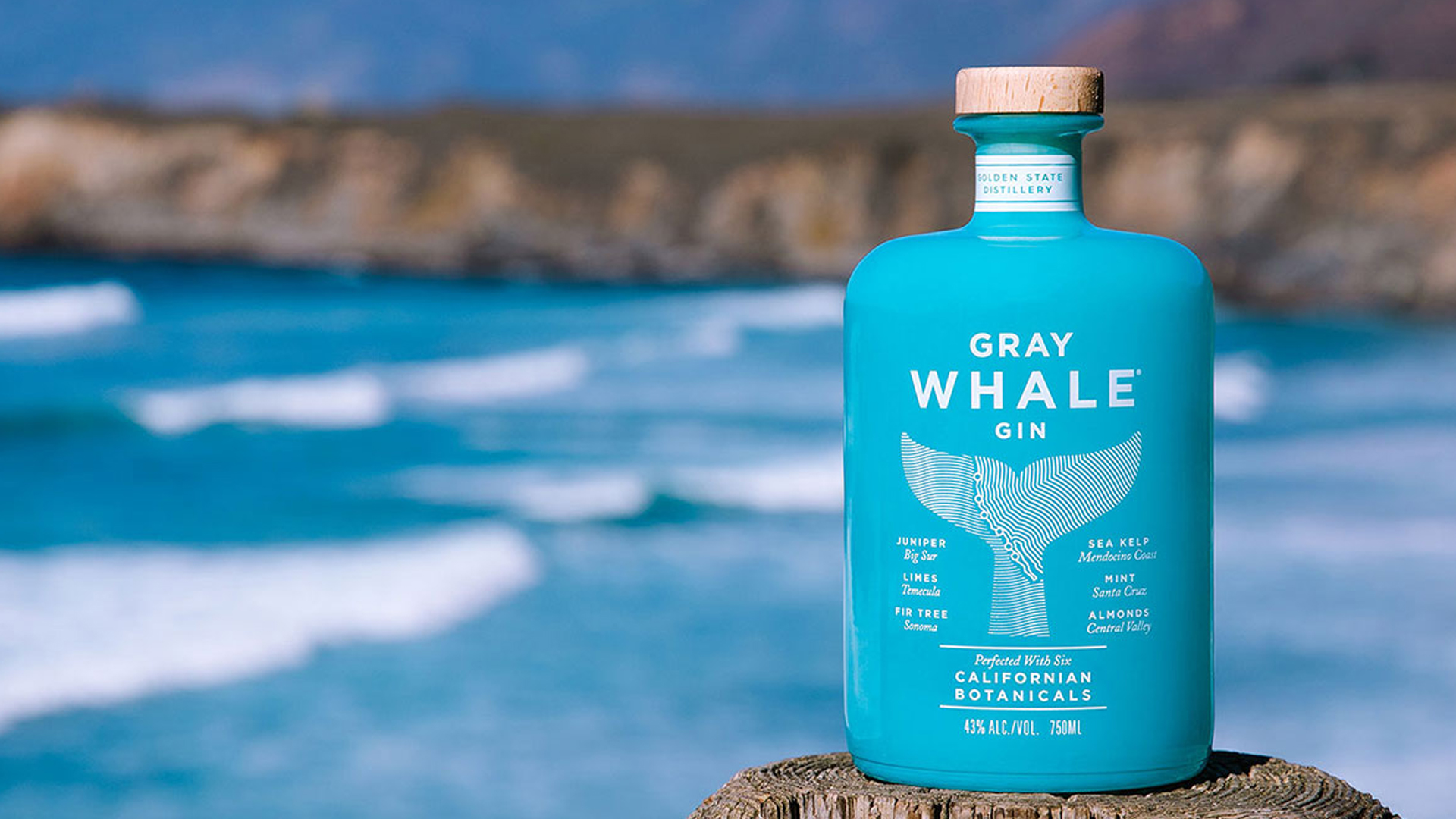
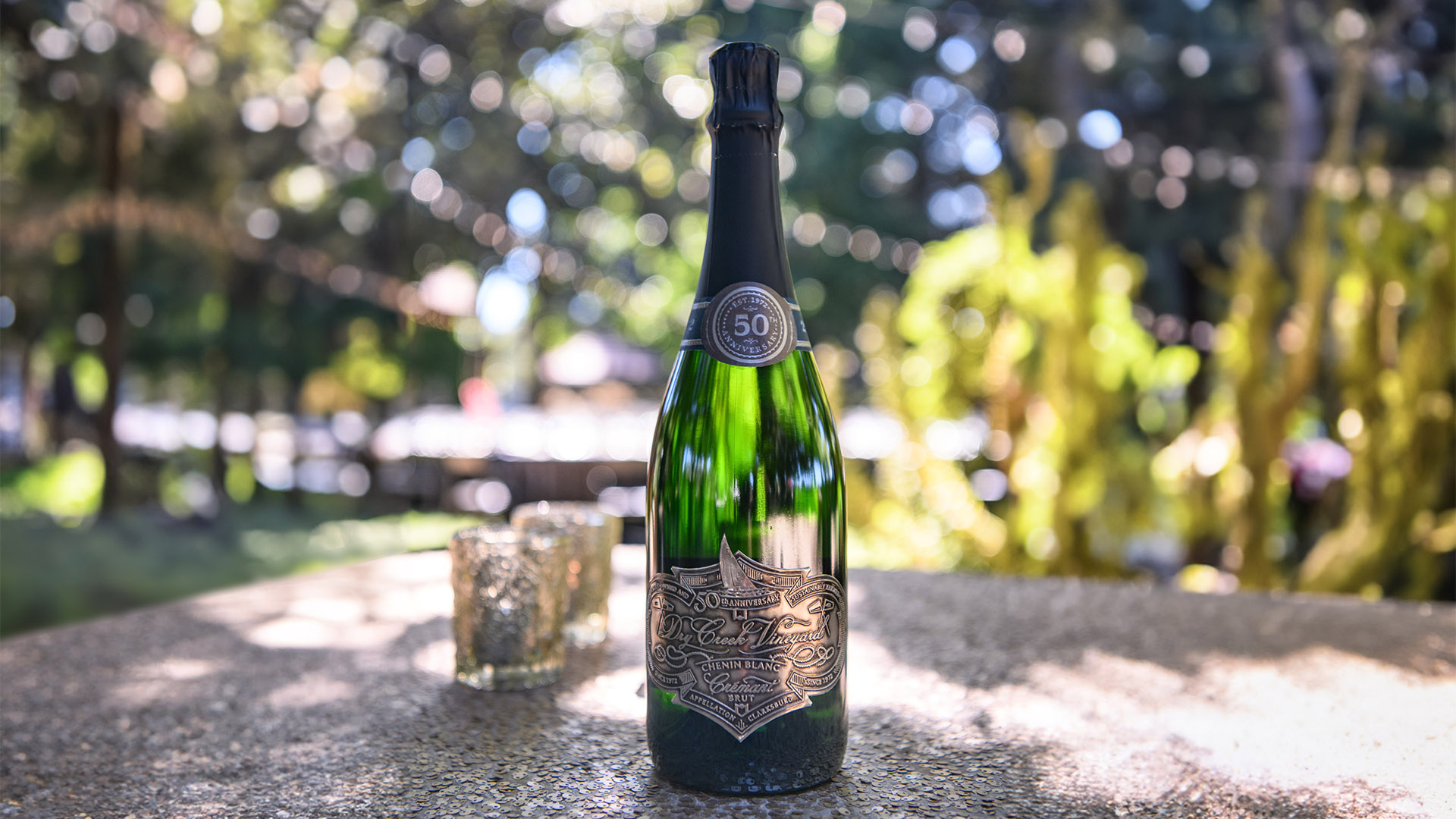
As digital purchasing grows, the physical touch of a bottle has become a critical “dopamine” moment for consumers. This has driven a shift toward tactile design that prioritizes texture over traditional graphics. We are seeing a surge in demand for deep embossing and “imperfect” glass finishes that mimic heritage craftsmanship, creating a sensory connection that digital marketing cannot replicate.
Global Package translates these trends into premium reality through specialized customization. Our capabilities in bespoke embossing and unique textures allow brands to create a high-touch experience tailored to their specific identity. Learn more about our Customization Options.
Inclusive Design & Accessible Premium Packaging
Inclusivity is moving from a niche consideration to a central design pillar. The “Universal Design” trend predicted for 2026 focuses on ergonomics to ensure bottles are easier to grip and pour. This also includes high-contrast, legible labeling that serves an aging population while maintaining a minimalist, modern aesthetic. True luxury in 2026 is accessible, ensuring the brand experience is seamless for every consumer.
The Specialty Sommelier range exemplifies inclusive premium design. Its unique neck groove ensures flawless capsule removal and functions as an anti-drip ring for clean, precise pouring, all while maintaining a luxurious silhouette and premium tactile feel. This innovative design makes the bottle both elegant and practical, aligning with modern expectations for accessibility and functionality. Learn more about our Specialty Sommelier range by Estal.
Why it Matters
Design decisions made today will define brand relevance in 2026. By embracing lightweight sculpting, tactile engagement, and inclusive principles, wine and spirits brands can future-proof their identity. Global Package’s expertise lies in translating these high-level trends into tangible execution and transforming technical glass innovations into market-leading brand assets.
Conclusion: Future-Proofing Your Brand for 2026
The trends shaping 2026 offer a clear message: the future of premium packaging lies in the balance between responsibility and desire. The brands that will dominate the shelf are those that can deliver a luxurious tactile experience while navigating the complexities of sustainability and inclusive design.
Whether it is transitioning to sophisticated lightweight glass or engineering a custom mold that tells your unique story, the window to innovate is now. Don’t let your packaging rely on yesterday’s standards.
Ready to take the next step? Reach out for a free consultation or request a custom sample kit today by contacting us at sales@globalpackage.net or +1 707 224-5670.







 “Erica and I met in the early 1990s while I was working on the brand development and package design program for the former Carneros Alambic Distillery. She was t


 Send us a question?