Posts

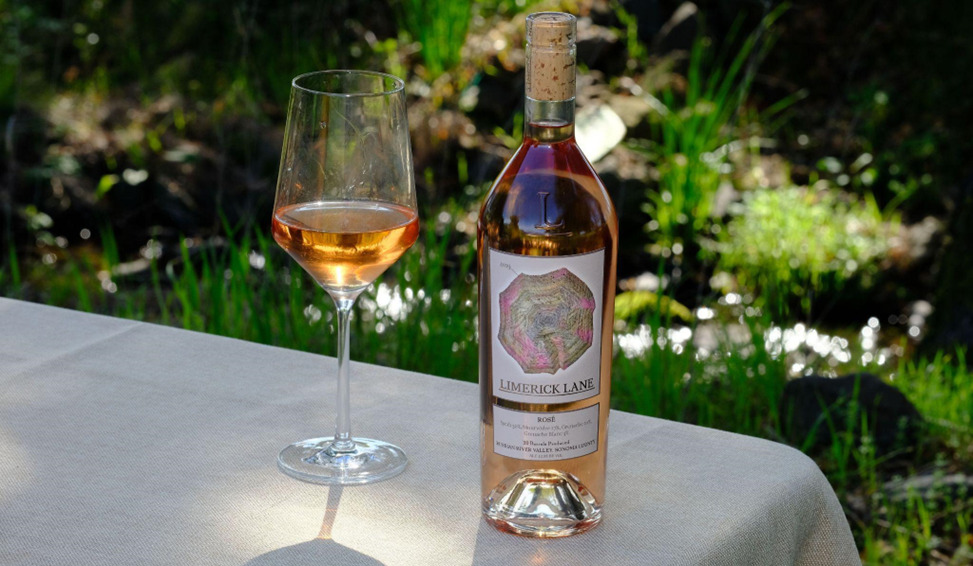
A picture of a half full wine glass with a wine bottle beside it over a table with a white sheet on a garden

How Glass Bottle Packaging Tactics Can Grow Your Wine Brand

Why Is Glass Bottle Packaging Important?

Wine can be packaged in a variety of ways; however, consumers continue to prefer the conventional glass bottle packaging format, which is by far the most popular. Although glass bottle packaging has less flexibility in its ability to capture attention than labels , it can still convey a lot of information to the consumer and increase brand standout in-store.

Purchasing wine is seen as having a high level of risk. People don’t want to risk purchasing wines that result in poor wine quality, financial risk, or social embarrassment. Therefore,  consumers search for information when browsing in-store to lower risk: price, varietal, region, brand/winery, or in-store recommendation.

The majority of people who aren’t particularly interested in wine conduct their informational searching in-store and rely primarily on visual cues. A customer is more likely to buy wine if they recognise the brand name or have already tried it. Factors like brand name, packaging, grape variety, and price are all taken into consideration.

The combination of packaging elements conveys a message. The customer then processes this information, developing their feelings towards it and inferring its meaning; how the packaging performs under this scrutiny is crucial in this situation.

The design and color of the imagery used on wine labels can differ significantly depending on price points and have a big impact on a confused customer in-store.

For instance, cheaper wines typically use illustrative and natural imagery, whereas more expensive wines rely solely on typographic and decorative labels. To further emphasize the idea of a premium brand, high-end wines frequently use the colors black and navy.

White wines often tend to use golden colors, though premium brands also tend to utilize that color scheme primarily. In contrast, lower-priced white wines will use more colors in the spectrum, tending to use bold colors quite frequently, perhaps to appeal to younger women. The treatment and placement of type can also affect how the consumer reacts to the wine.

Can’t I Just Use Whatever Glass Bottle Packaging For My Wine Brand?

Consider the most recognizable wine brands available today. Some of them have histories of a century or longer, such as the well-known Familia Torres with 150 years of winemaking experience.

Obviously, that kind of experience and popularity is pretty hard to beat. This is why, for up-and-coming wine brands, unique packaging, wine bottle design, and labeling are crucial to achieving the most brand standout for your retail wine brand when on shelf. It is critical to the success of the product.

By taking the time to understand what is important to your target audience, and combining that with current trends in wine packaging, you can position your wine brand to outcompete your competitors and establish a strong foothold in the wine industry.

This blog will cover different glass bottle packaging strategies that can help your wine business thrive in a crowded market, as well as emerging wine packaging trends for your consideration.

Positioning Wine Brands for Success: The 3 Deciding Factors

When 19 Crimes started to appear in stores, nobody anticipated that it would become the popular wine brand that it is today. While the wine’s bold, yet velvety, flavor keeps drinkers satisfied and interested, it is the precisely engineered storytelling of its packaging that really gives it a unique personality.

The most well-known wine brands have a story or a sentiment that drives them off the shelves into people’s hands, and it all starts with the glass bottles and their accompanying components. And just like other successful wine brands, you need a packaging strategy.

Take a look at the three practices for packaging that can revitalize your wine brand and make it stand out from the competition.

1. Unique Labeling

Naturally, you want your wine brand to stand out from your competitors and influence the typical consumer to choose your bottle from the store. That’s obviously easier said than done because there are literally thousands of wine bottles to choose from, and many consumers frequently decide which bottle to pick in only a few seconds; that’s where quality wine labels come in.

A label is the “face” of every wine bottle packaging and serves as more than just a straightforward piece of information. In fact, in supermarkets, it is frequently the only factor on which purchasers base their choice.

Take a look at the most prominent wine brands; one thing they all have in common is a unique label that stands out.

Your label is crucial in creating positive brand connotations, especially if your wine brand is new or unfamiliar to the consumer. Your wine brand’s vibe can be communicated by using the right fonts, colors, and images on the label.

Also, keep in mind the caliber of the label paper you use. There’s a high probability that your wine will eventually wind up in iced wine boxes if it’s best served chilled. As such, an inferior paper will crease or curl, which undermines the “luxury” impression you are trying to portray for a wine customer who has just spent $20 on a bottle, for example.

2. Bottles and Corks That Stand out

Choosing the size, shape, and color of your bottle is the first step in cementing the brand perception of your wine. After that, you can then create the label. This guarantees that every time a label is applied, it will fit perfectly.

A unique bottle has many benefits. For one, many customers have unintentional associations with bottles and closures, much like they do with labels. A heavier bottle is considered to be more premium in terms of weight, and vice versa. Yet, due to shifting trends towards eco-friendly packaging solutions, lighter glass has gained elevated status.

Worldwide, glass manufacturing produces at least 86 million tonnes of carbon dioxide every year, so the reduction in the amount of glass produced and the reduced shipping weights contribute to lowering the carbon footprint associated with bottling wine. More on eco-friendly packaging later on.

When it comes to champagne bottles, using natural corks typically signifies premium quality wine. On the other hand, screw caps are associated with young, fruity, or fresh wines.

Wines that have matured in oak are excellent candidates for synthetic corks.

3. Unique Brand Story

Effective storytelling helps establish an emotional connection that distinguishes one brand from another. It’s a principle that all effective marketing strategies must follow. Make the customer feel as though joining your narrative will improve their quality of life, and they will gladly buy from you.

Why did 19 Crimes garner so much attention and positive press even though it seemed to do everything wrong? It didn’t do anything wrong at all; a great, compelling brand story was composed for it that brings the brand to life.

The characters on the 19 Crimes labels were actually “talking” through augmented reality, telling the story of convicts sent to serve sentences in 19th-century Australian prisons, but who would want to associate with an ex-convict-portraying wine?

Since the label opens a door to a narrative unrelated to wineries, it naturally piques the curiosity of adventurous wine lovers. By breaking from the norm of wine packaging design in a stroke of marketing genius, 19 Crimes was able to increase sales by about 500% in the first 18 months. The brand positioning may seem to you to carry negative connotations, but don’t forget that people love novel ideas, so get innovating!

Every brand, including yours, wants to have this effect while it is on the shelves of a story, so you need to come up with your own unique story—and don’t be afraid to break a few rules while you’re at it.

3 Fantastic Wine Packaging Trends to Help Make a Statement

If you really want to stand out from the crowd, consider adopting one (or a combination of) the following wine packaging trends:

1. Use Unique Bottle Designs

One sure way to blend in is to use the regular bottle designs in the bottling line. You don’t want that. Packaging your wines in uniquely designed bottles makes them stand out immediately because the majority of wines are stored in conventional bottles.

For example, your wines will stand out from the competition when packaged in a whimsically curved or tall, angular container, but the bottom line is to let your wine bottles corroborate your wine brand’s unique story and reflect the essence of the narrative.use

2.  Eco-Friendly Packaging

People are becoming more environmentally conscious, which means they are more interested in greener solutions to everyday needs, so we’ve developed eco-friendly products to fit this need. Besides, it’s in all our best interest to save the world as we know it, so why not pack your wine using more environmentally friendly packaging options?

The most common examples of this trend are boxed wines, which have plastic internal liners and recyclable cardboard exterior shells.

3. High-Tech Integration

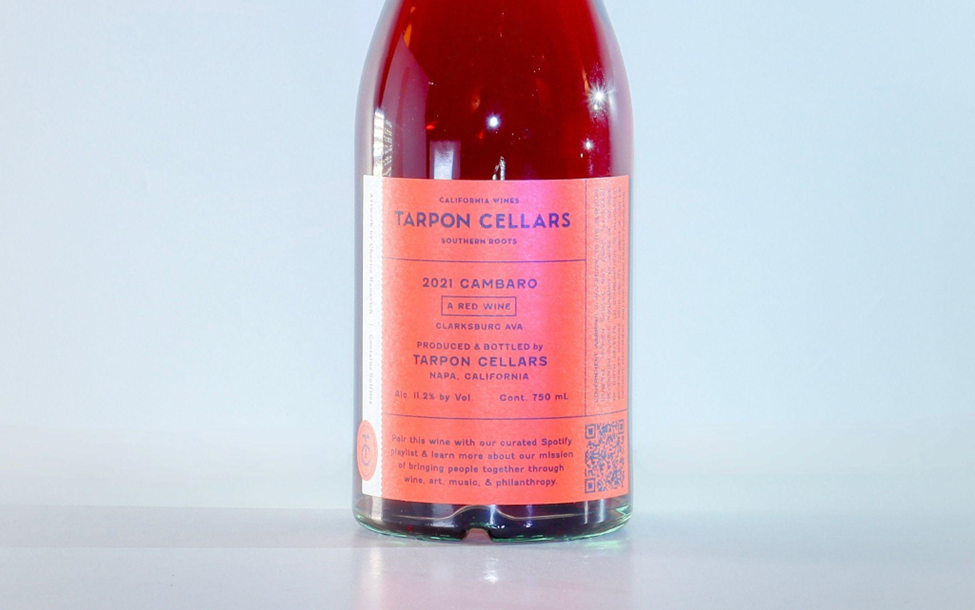
In today’s technology-driven world, you can use a QR code in the label design of your brand to appeal to a tech-savvy audience. Ingredient list, bottling date, expiration date, and all sorts of intriguing information can all be accessed via a simple QR code.

In fact, 19 Crimes uses augmented reality to tell the 19 unique stories of the ex-convicts depicted on all their bottles, presenting a novelty to wine lovers and making it more fun to drink and share with friends.


The A–Z of Wine Glass Bottle Packaging

One crucial step in winemaking is the process of selecting an appropriate glass bottle. Why? Because a wine’s identity is greatly influenced by its glass bottle.

Often, the content of the bottle takes center stage in conversations and articles rather than the bottle itself. However, our attention today will be on elevating your wine packaging, specifically how wine bottles are packaged for distribution.

In the last few years, wine packaging has experienced a radical shift. The invention of cans, tetra packs, and other packaging materials and innovations have changed the way producers think about wine packaging.

However, glass bottles remain the traditional and preferred method for wine packaging. A typical wine bottle is made of glass and is available in a variety of sizes and forms. However, most wines are commonly packaged in 750 mL glass bottles.

Glass bottles have been used for hundreds of years for wine packaging and have proven to be quite beneficial. However, this has not always been so, as before this time, other materials were used for wine packaging.

The History of Wine Storage and the Transition to Glass Bottle Packaging

According to records of the time, the most prevalent means of holding and transporting wine were wineskins. Most of the evidence for the use of wineskins comes from Ancient Greece (12th-9th century BC) and from the New Testament in the Bible. According to these sources, wine was transferred straight from the fermentation into an old wineskin to be taken home. Preferred by travelers for its lightness, its popularity, and the portability it brings to wine consumption, is undeniable.

Larger quantities of wine, on the other hand, required more permanent storage with temperature control, which was critical to preserving the wine’s flavor. Thus, earthenware pottery was utilized to ferment, store, and transport wine.

These large earthenware jars were used above ground to transport large volumes of wine, but they were also partially buried underground to control temperature and preserve the product without the presence of electricity.

The Kvevri – Wine Packaging Using Clay

A Qvevri is a large, beeswax-coated earthenware vessel, used by ancient Georgians as early as 6,000 BC. They were used in every stage of wine production, from grape crushing to aging. The qvevris could hold thousands of liters of liquid, depending on their size.

They were filled with unfermented grapes from the area. The qvevri is subsequently buried, the grapes are crushed, stems and all, and primary fermentation begins. Then it is sealed with a large stone to form an airtight seal.

The qvevri is then left for up to two years, enabling the wine to experience malolactic fermentation and maturation. The result is an extremely tannic, earthenware-aged wine.

The Amphora – The Standard in Clay Vessels For Packaging Wine

Amphorae, wax-lined (pine and beeswax) pottery vessels, were made by the Egyptians and were gradually adopted by nearly all wine-drinking and wine-producing civilizations in the Mediterranean and Mesopotamia, including Ancient Greece and Rome, where they were most prevalent and widely used. They were easy to produce and, more importantly, transport. Their circular design, with tapering bottom, two handles, and a long, slender neck, fulfilled four functions:

●     The surface area of wine exposed to oxygen was reduced by the slender neck.

●     The tapered bottom promoted the accumulation of sediment and allowed the amphora to be buried with more ease when long-term storage was required.

●     They were able to load numerous into ships

●     The handles made carrying them easier

When you look at an amphora, you can find parallels between it and current wine bottles, from the long neck that protects the wine from air, to the sediment that collects on the bottom of bottles. Some societies adorned their vessels ornately, while others were strictly functional, leaving them ‘clean-skinned.’

For a long time, it was considered that amphorae were the primary means of transporting wine across considerable distances throughout the Roman Empire. Recent discoveries of shipwrecks in the Mediterranean have revealed that wine was frequently transported in a bigger container known as a dolium.

The Greeks termed these large clay jars pithoi, while the Romans called them dolium. In order to make their containers airtight and watertight, the Romans used heated resin known as “pitch” to line the dolia and plaster to patch them where needed.

The Shift To Oak Barrels For Storing and Transporting Wine

The Roman Empire conquered numerous cultures, embracing technologies such as the wooden barrel. While the Romans were aware that other cultures used palm wood barrels to transport wine, amphorae (and dolia) were the preferred mode of transport at the time.

The military and merchants swiftly replaced amphorae with wooden barrels. Wooden barrels were stronger than clay barrels, weighed significantly less, and could be rolled on their side.

Moreover, there were plenty of trees in Europe, and unlike palm trees, woods like fir and oak bent very easily, so the stave production for barrels was easier. The adoption of barrels was quick; by the third century AD, the transition to storing and transporting wine in wooden barrels was nearly complete, thereby ending clay’s 5,500-year reign.

The wood, on the other hand, did not provide an airtight seal, and the wine spoiled quickly in the wooden casks. Winemakers were not properly bunging or topping off their barrels since they didn’t understand why the wine was spoiling, and people simply proceeded to consume increasingly younger wines.

The Introduction of Glass Bottle Packaging For Wine

After centuries of dominance by the wooden cask and the resulting need to drink wines quickly before they turned to vinegar, the search began for an alternate vessel. Although the bottle had already existed, it was used primarily as a midpoint to get the wine from the barrel to the cup. Corks were not well-fitted as they were simply meant to keep bugs and dust out, not to create an airtight seal.

Henry Purefoy discovered that when the cork was not submerged in liquid, it shrank due to dryness and spoiled the wine. When the bottle was laid on its side and the cork submerged in the wine, it preserved the wine with a capability similar to that of an amphora. From a short, stout bottle in the 1740s to an elongated bottle like we have today, the shape gradually became more cylindrical to facilitate easy disposal.
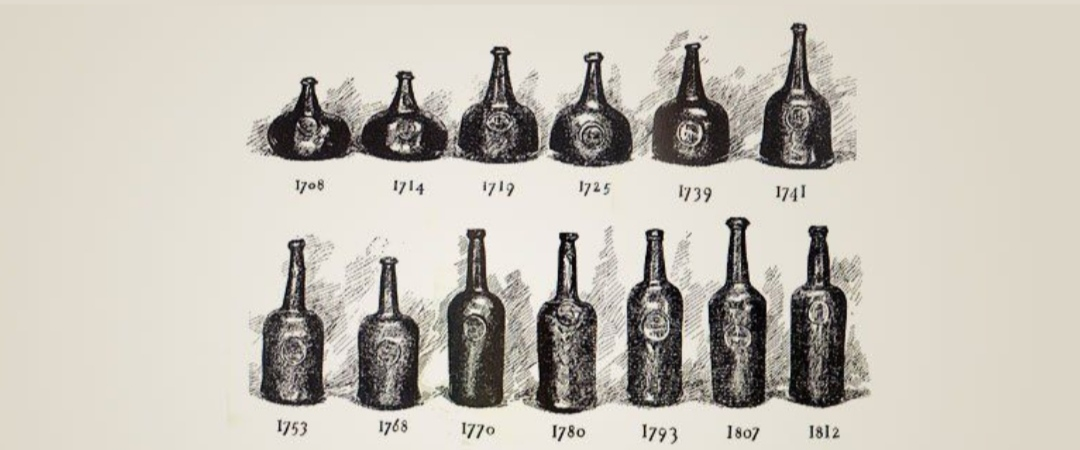
A range of glass bottle types from year 1708 to year 1812

In today’s world, bottles are recognized as the most preferred method of wine packaging. Why? because the rate of chemical interaction with glass is zero. Wine bottled in glass gets to retain its strength, aroma, flavor, and quality as a whole.

Glass bottles are not associated with any negative impact on health, which makes them a safer option. Additionally, they improve the overall drinking experience and add aesthetic appeal.

Wine Bottle Designs

Although there isn’t a set rule linked to wine bottle shapes, a few trends throughout history suggest there might be a connection between a wine bottle shape and the type and location of the grape used.

For instance, Chardonnay and Pinot Noir wines tend to come in short, classic, or fat, Burgundy-shaped bottles. Other wine producers in Portugal, Italy, Spain, and Germany tend to follow the tradition of their local areas by choosing bottle shapes most appropriate for their wines.

Additionally, the wine manufacturers want to make their product packaging as distinctive as possible, which explains why you will find one bottle that is tall and skinny, while another is short and squat. Sometimes these alterations, including to the punt, are done to allow the manufacturer to use more or less glass as needed, and to adjust bottle profile and heights to accommodate label design, shipping requirement, and budget.

For example, Chardonnays are bottled in slope-shouldered Burgundies while Cabernets are packaged in squarer-shouldered Bordeaux bottles. Generally, bottles with thick walls and a wide-pronounced punt with a sloping shoulder are associated with sparkling wines and Champagne. High-shouldered bottles with pronounced punts are used for Port, Sherry, and Bordeaux varieties. These bottles come with a bulbous neck, which serves the purpose of collecting residue.

Certain types of wines, like Burgundy and Rhône varieties, are packaged in tall bottles with sloping shoulders and a smaller punt. With the wine market being quite vast in size, it isn’t a surprise to find new wineries adopting similar bottling styles.

Preparing Glass Bottles for Wine Packaging

There are several processes involved in the bottling of wine. The first step is preparing the bottles. Wine bottles can be new or recycled. Cleaning is important regardless of the type, which is why de-labelling and cleaning can often be accomplished by soaking bottles in a washing solution.

Additionally, clear glass bottles are not recommended for wine packaging due to exposure to sunlight. Direct sunlight can discolor the content of the bottle, which is why, unless you are certain that the bottle will not come into direct contact with sunlight, it is best to go for a colored bottle for wines that are meant to be stored for longer periods of time.

Oxygen can dissolve into the wine during the bottling process, which is why one of the goals when filling is to prevent oxidation. This could affect the wine composition, shelf life, and consumer acceptance, which is why the wine bottling process is conducted to promote the dissolution of oxygen in the wines.

It is best to cork the bottle immediately after filling it and give it a final water rinse on the outside to remove any drops of wine. After filling, the wine bottles are left upright for three to five days, as this allows the pressure inside to equalize back to normal. Once these days elapse, the bottles are then stored on their sides or upside down in the coolness of a cellar.

Quality Glass Bottle Packaging For Wine

Due to the importance of bottles in the wine industry, without a doubt, glass wine bottles will not be replaced in a very long time. This is because glass represents a premium image for wine—for instance, Champagne bottles. Utilizing glass for your beer, wine, or spirits will result in a more aesthetically pleasing experience for the consumer, and increase brand awareness.

Instead of being replaced, this packaging material will evolve with time, offering wine manufacturers several more creative opportunities.

Just like the content inside, the packaging and appearance of a wine bottle play an important role in a consumer’s drinking experience, which is why Global Package comes to mind when it comes to getting some of the best glass wine bottles, designed to give your brand a distinctive look. When it comes to wine bottles, there are no set rules; you are allowed to be as creative as you choose, as long as the results suit your brand’s needs.

 

Enticing Millennials: Global Package Has Answers By Erica Harrop, CEO Global Package

In an Interesting recent article in the New York Times, entitled “The Wine Business Sees a Problem: Millennials Aren’t Drinking Enough,” author Eric Asimov cites the report “State of the US Wine Industry” by Rob McMillan, industry analyst and executive VP of Silicon Valley Bank:

“ … aging baby boomers — currently the prime market for wine — are nearing retirement age, the time of life when consumerism typically declines. Millennials, the generation that began to come of age after the turn of the century, have given no indication that they are poised to step in. They buy much less wine than boomers, and the wine industry has not done enough to entice them to become regular consumers.”

While it’s a concern that has troubled the industry for decades, few wineries (or suppliers) appear to be addressing the problem. As McMillan puts it,

” In prior reports, we noted that the falling interest in wine among younger consumers, coupled with the encroaching retirement and decreasing wine consumption of baby boomers, poses a primary threat to the business …that issue has yet to be addressed or solved, and the negative consequences are increasingly evident.”

So how do we tackle this? Let’s start with who these buyers are and what motivates them to purchase wine? Here’s McMillan again:

“Millennials grew up in a world that has been far more encouraging of connoisseurship than when boomers were young. Social media has given everybody the opportunity to exercise their critical voices, for better or worse. Millennials are a more discerning generation, at a younger age, than baby boomers were … (however) they have less disposal income.”

In addition, McMillian makes the point that this demographic is a much more diverse population: ““While only 28 percent of the boomer population is nonwhite, 45 percent of the millennial population — and almost half of Gen Z — is nonwhite.” It remains sad fact that today, even after recent movements toward racial justice, minority-owned wineries are still few and far between.

Finally, in McMillan’s report he points out that “millennial consumers are more concerned with social justice and with health and environmental issues, including climate change …A brand’s social values are increasingly connected to a consumer’s decision to purchase particular products, including wine,”

All of these trends have led Global Package to establish strong international partnerships with the wine and spirits industry’s most progressive and innovative companies. We have been at the forefront of working with leading European glass manufacturers to develop revolutionary and sustainable new designs.

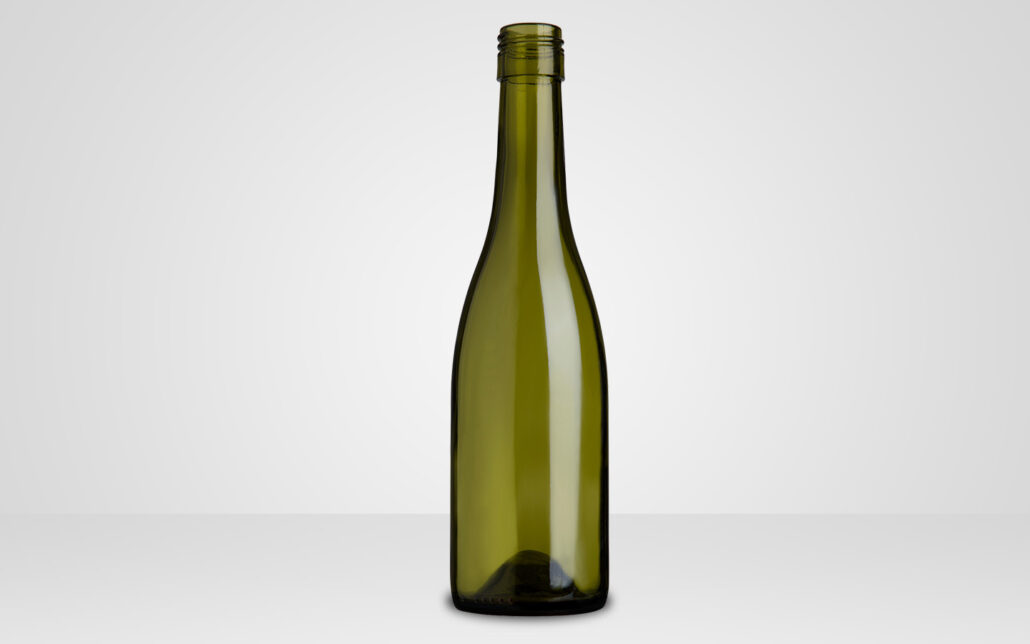
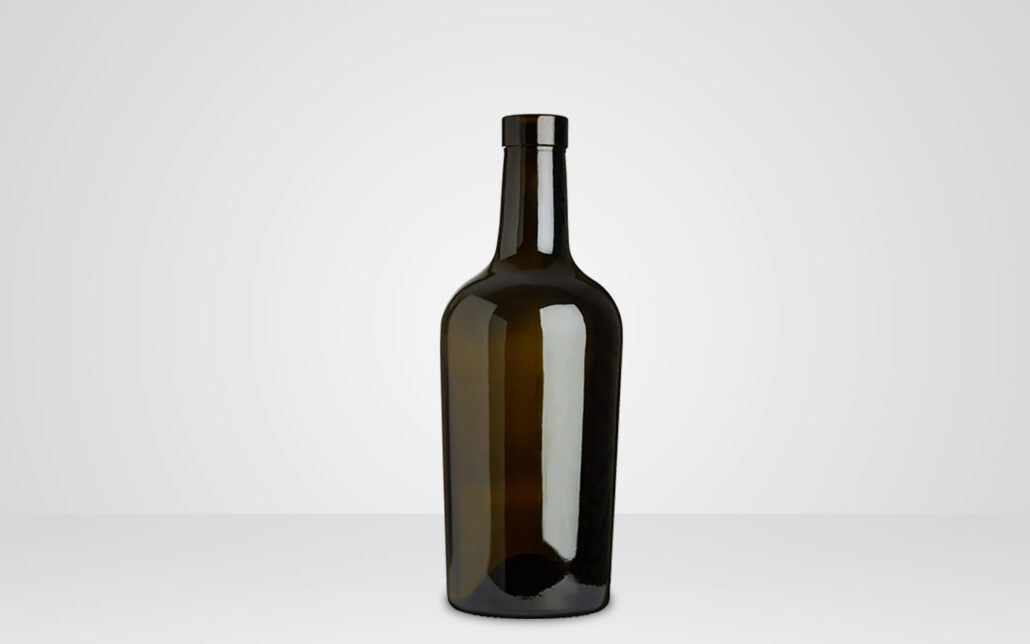
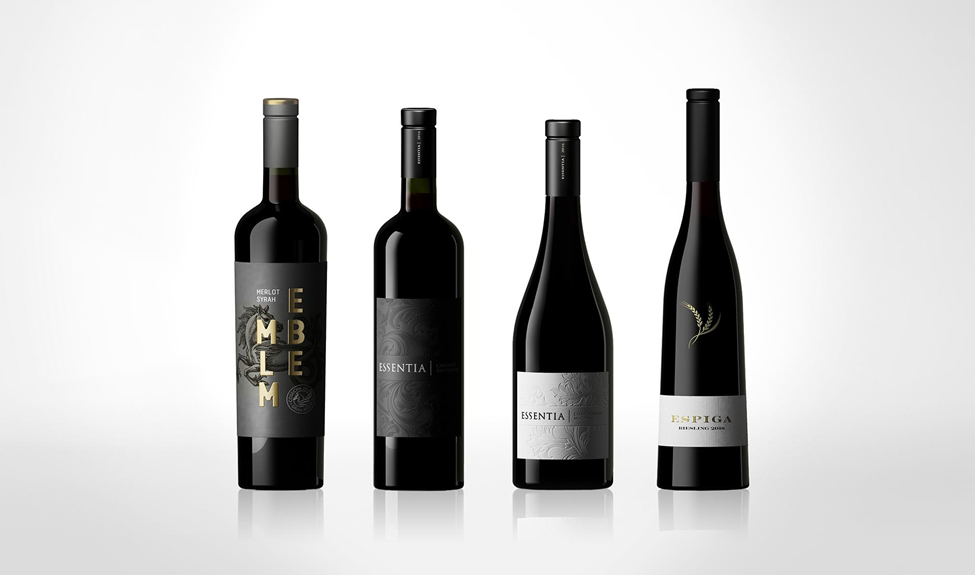
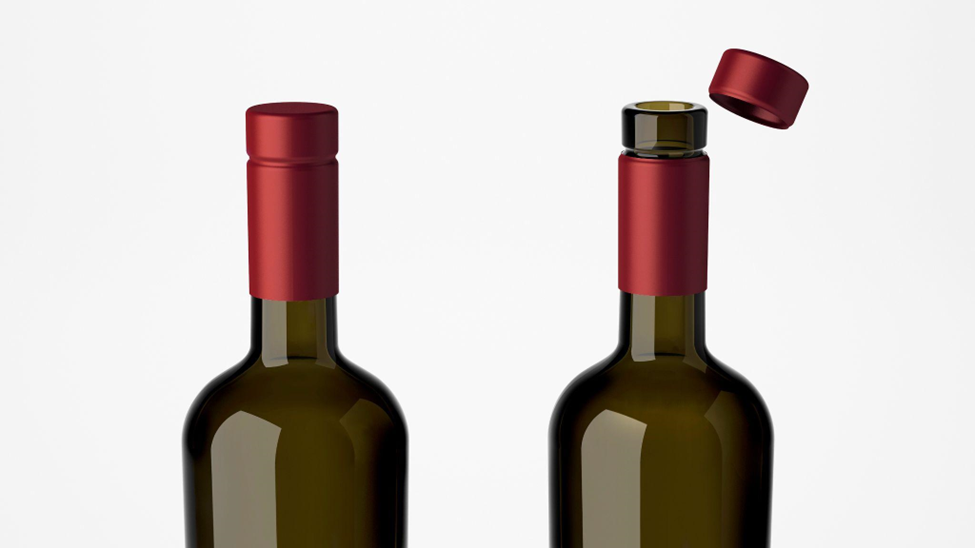
A good example is our long-time partner, Estal, and its Sommelier Mouth (SM) bottles. This line includes the Essentia Burgundy, the Bordeaux, and the unique flute Espiga bottles, all of which are available in Flint and Antique and in both short and long tops. These bottles are revolutionary in their design, which includes the anti-drip barrier and groove guides to facilitate a clean, straight cut of the capsule. Production of the Sommelier bottles also has a reduced carbon footprint.

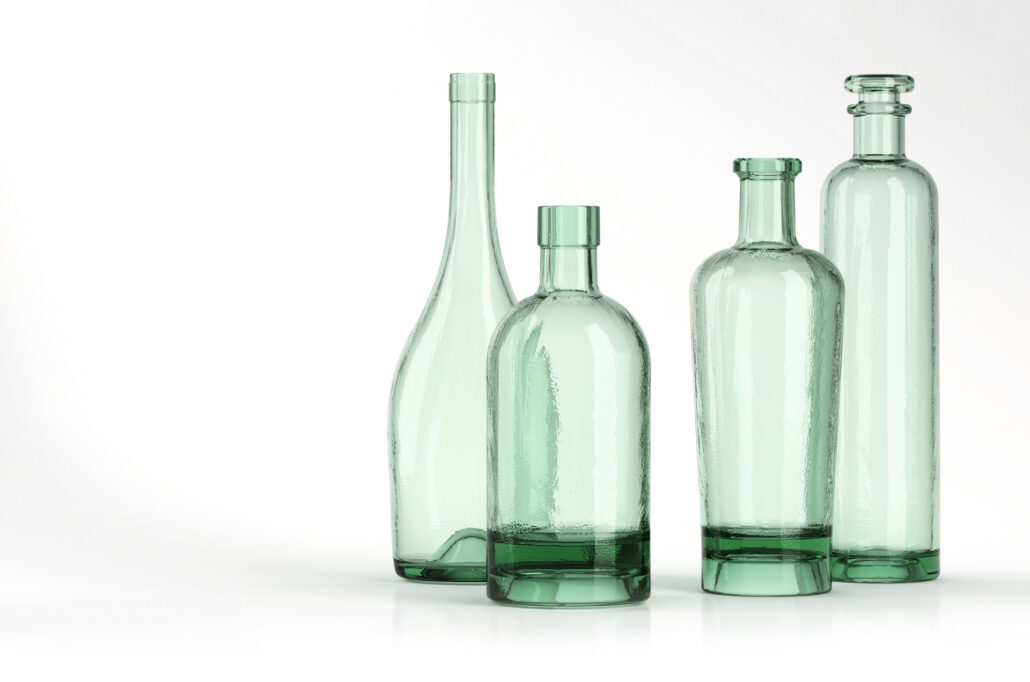
Also on the ecological front, which attracts Millennials concerned with climate change, we introduced a couple of years ago Estal’s gorgeous and environmentally-friendly Wild Glass™ line of bottles to an enthusiastic US market. These bottles are 100% sustainable “real cycled” glass bottles that are one-of-a-kind, since slight imperfections in the natural formation of the glass are allowed to remain, while retaining all the manufacturing positives of automated glass, much like organic handmade art. Estal’s process also doesn’t discard bottles with cosmetic defects, which reduces the discard rate from 25% to 15%.

Finally, Global Package offers the full complement of Elegant Light™ bottles, in classical shapes and colors. Importantly, they are lighter weight, resulting in more economical and ecological shipping.

We invite you to contact us. Our entire sales staff, on both East and West coasts, are available to answer your questions and advise on the best glass solution for your winery to meet the Millennial challenge.

Global Package, located in the Napa Valley, is experienced in supplying high-end wine and spirits glass bottles to North American markets. With a comprehensive off-the-shelf portfolio, and the opportunity for customization and decoration, Global Package can assist your brand with the most appropriate solution whatever your budget or expectations. From glass bottles, bottle decorations, pewter labels, to bar top closures and corks, Global Package can assist with your project. Start your packaging journey today by calling +1 707 224-567 or emailing info@globalpackage.net.


Crafting Unique and Sustainable Bottles With Erica Harrop of Global Package

The podcast Legends behind the Craft, hosted by Drew Hendricks, delves into the world of craft beverages. Drew interviews top leaders in the wine and craft beverage industry. Drew is the president of Barrels Ahead, a marketing agency specializing in Web Design, SEO, and PPC within the wine and craft spirits industry. 

This week’s episode features Global Package LLC President and CEO Erica Harrop, to find out more about the bottle-making process. Her expertise is invaluable as they cover topics such as sourcing, the evolution of the industry, and how Global Package customizes their bottles. They also dive into “wild glass” and what it means for sustainability in the world of glassmaking, and designing environmentally-friendly glass and packaging. 

You will also learn how Erica transitioned from winemaking to glass, what inspires her, and how Global Package is set apart from the rest of the industry. 

You can listen to the podcast here