

Why Glass Color Matters for Wine and Spirits Preservation
For winemakers and distillers, crafting exceptional beverages is only part of the journey. To ensure your product maintains its premium quality and reaches consumers in perfect condition, the preservation of both its taste and appearance is critical. This is where the often-overlooked factor of glass color comes into play.
The color of your bottle can have a profound impact on the longevity, flavor stability, and overall appeal of your wine or spirit. By understanding how different glass colors protect against light damage, you can make more informed packaging choices that safeguard your product’s quality and enhance its shelf life.
In this article, we’ll explore the science behind glass color and light exposure, explain how traditional and modern glass choices can protect your product, and provide insights into balancing practical preservation needs with aesthetic considerations. Whether you’re crafting aged whiskey or fine wine, the right glass color is more than just a design decision – it can be a crucial element in preserving the quality of your product.
The team at Global Package has built its reputation as a trusted name in glass packaging through over 30 years of expertise and a forward-thinking approach. Our portfolio is designed to meet the diverse needs of winemakers and distillers, offering everything from versatile off-the-shelf options to cutting-edge designs that set brands apart.
Signature features like the Specialty Sommelier, designed for precision pouring, and the striking Doble Alto, which elevates shelf presence with its bold, double-base design, deliver both functionality and aesthetic impact. For brands seeking something uniquely their own, our fully customized solutions provide unmatched creative freedom.
Through close partnerships with leading designers and marketers, we’re constantly developing standout packaging that helps clients capture attention in today’s fast-changing market—all while staying aligned with your brand’s goals and budget.
The Impact of Light on Wine
While a beautifully lit display might entice customers, exposure to light, particularly ultraviolet (UV) light, can be detrimental to the quality of wine. Exposure to UV light triggers chemical reactions in wine, producing unpleasant ‘lightstruck’ aromas – often described as reminiscent of rotting leaves, cooked cabbage, or even a struck match.
The interaction between light and wine sets off a chain reaction which results in formation of hydrogen sulphide and mercaptans. The human palate is highly sensitive to these compounds, detecting them at incredibly low concentrations, making their presence impossible to ignore. Just an hour of direct sunlight can noticeably alter the flavor of certain varieties of wine.
Different types of wine are impacted by light in varying ways. White, sparkling, and rosé wines are generally more vulnerable to light damage than red wines. This difference is attributed to the higher tannin content in red wines, as tannins act as protective agents against this photochemical degradation.
The Impact of Light on Spirits
Light exposure not only threatens the appearance of spirits but can also influence how they are perceived and enjoyed. For aged spirits like bourbon and scotch, color is more than just cosmetic—it’s a vital part of the product’s identity and sensory allure. A deep amber or mahogany hue evokes complexity, richness, and quality, shaping consumer expectations even before the first sip.
When light exposure results in a noticeable loss of color, it disrupts this critical visual cue. Even if the flavor remains intact, the diminished vibrancy can lead consumers to assume the spirit lacks the depth or maturity they associate with darker tones. This perception isn’t superficial; color often correlates with the flavor experience in the mind of the drinker, setting the stage for how the spirit is judged.
On a chemical level, UV and blue light exposure triggers photochemical reactions that can degrade the spirit’s components. For example, amino acids and phenolic compounds interact with light, causing changes that lead to color fading. These reactions may also result in the production of undesirable sulphides or promote oxidation, subtly altering the flavor profile over time.
For white spirits like vodka and gin, which are bottled in clear glass to showcase their clarity, the risk is less immediate due to their stable composition. However, prolonged exposure to intense light can still compromise their pristine appearance, leading to a flat or dulled look. While this might not affect their taste directly, it can detract from their appeal, particularly in markets where presentation plays a significant role in purchasing decisions.
Preventing Light Damage to Wine and Spirits
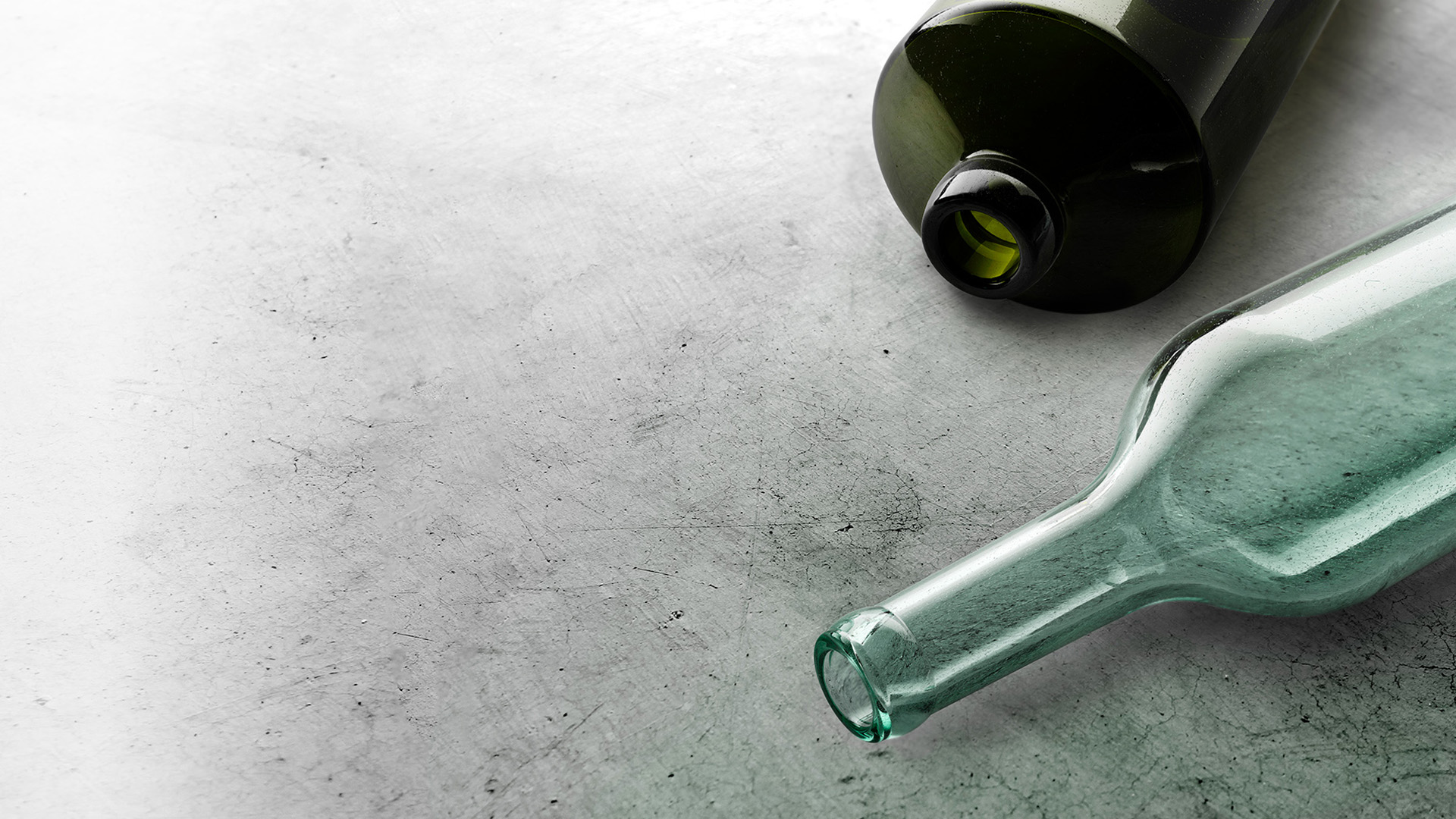
Understanding these scientific principles is fundamental for wine and spirit producers when considering which glass bottle is ideal for their product. By considering these factors and making informed choices about packaging and storage, producers can effectively mitigate the risks of light damage and ensure that their beverages reach consumers in optimal condition.
Choose the Right Glass Bottle Color
Amber glass offers the best protection against UV rays, acting as a natural barrier that prevents harmful light from reaching the product inside. On the other hand, clear glass, although popular for aesthetic reasons, offers minimal protection, making it an important consideration for wineries or distilleries prioritizing display over preservation.
Reduce the Amount of Exposed Glass
Bottles with larger labels, unique shapes, or thicker glass can effectively reduce the amount of light that comes into direct contact with the product. By using packaging that incorporates more opaque or covered surfaces, producers add an extra layer of protection, ensuring the integrity of the wine or spirit is preserved even when displayed under bright lights.
Anticipate Type of Light Source and Proximity
The type and proximity of the light source are key factors in light exposure. While direct sunlight is the most damaging, artificial light sources – such as LED and fluorescent bulbs – can also have a negative impact, particularly when the bottle spends extended periods of time in proximity.
At Global Package, we understand that exceptional packaging requires both product integrity and brand storytelling. Our innovative glass solutions combine cutting-edge design, sustainability, and functionality to protect the quality of your wines and spirits while elevating their market appeal. Whether through superior UV protection, custom-crafted aesthetics, or unique features like the Doble Alto’s dual-tiered base, we partner with producers to ensure their beverages not only stand out but stand the test of time.
How to Choose the Best Glass Color for Your Wines
Choosing the right glass color for wine bottles is a delicate balancing act between preserving the integrity of the wine and appealing to the discerning eye of the consumer. Global Package understands that every detail matters, and we’re here to guide you through the nuances of selecting the ideal color for your wines.
Dark green glass, historically the only choice due to iron impurities in early glassmaking techniques, now retains its popularity for its UV-blocking properties—an advantage that continues to protect wines today.
As technology has advanced, glassmakers gained greater control over color and clarity, offering winemakers a broader palette to work with. This opened up a world of possibilities, allowing producers to select colors that not only protected their wines but also enhanced their brand image and shelf appeal.
Green Glass Bottles for Wine
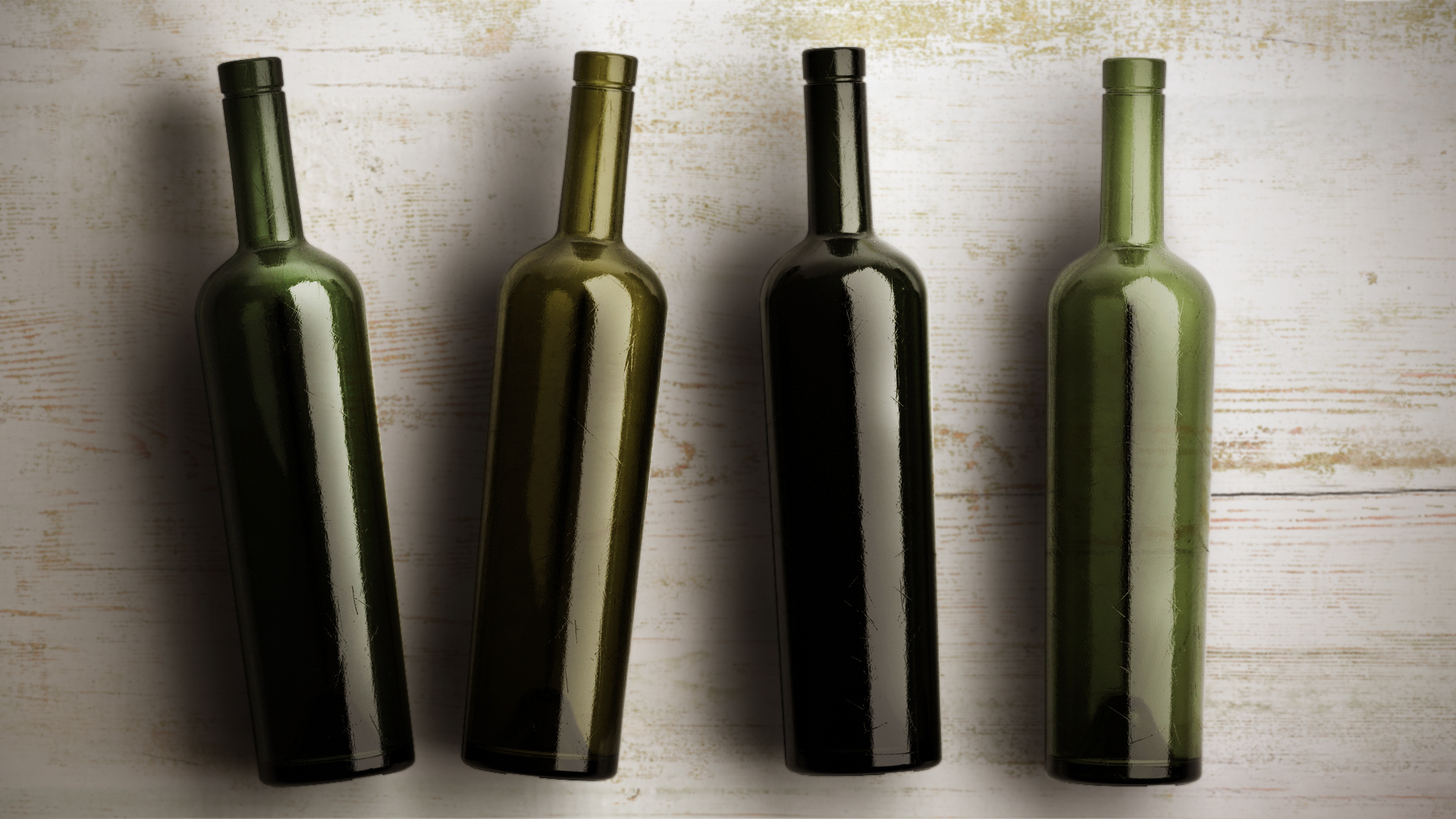
The traditional choice used for red wines, antique green offers excellent UV protection. Filtering over 90% of UV light, antique green remains the top choice for wines requiring long-term protection, shielding the tannins and other delicate compounds from light damage. Antique green also carries a classic, premium aesthetic that resonates with traditional wine branding.
Amber Glass Bottles for Wine
Although less common in wine packaging, amber glass provides the most robust UV protection. It can be a smart choice for producers of delicate white or sparkling wines, especially for products stored or displayed in light-heavy environments. The rich, amber hue signals a commitment to preserving quality, even if it breaks with conventional expectations.
Flint Glass Bottles for Wine
Clear glass is particularly popular for rosé and white wines, where showcasing the wine’s color is part of its appeal. While it provides no UV protection, its transparency creates an eye-catching display that influences purchasing decisions.
Wild Glass Bottles for Wine
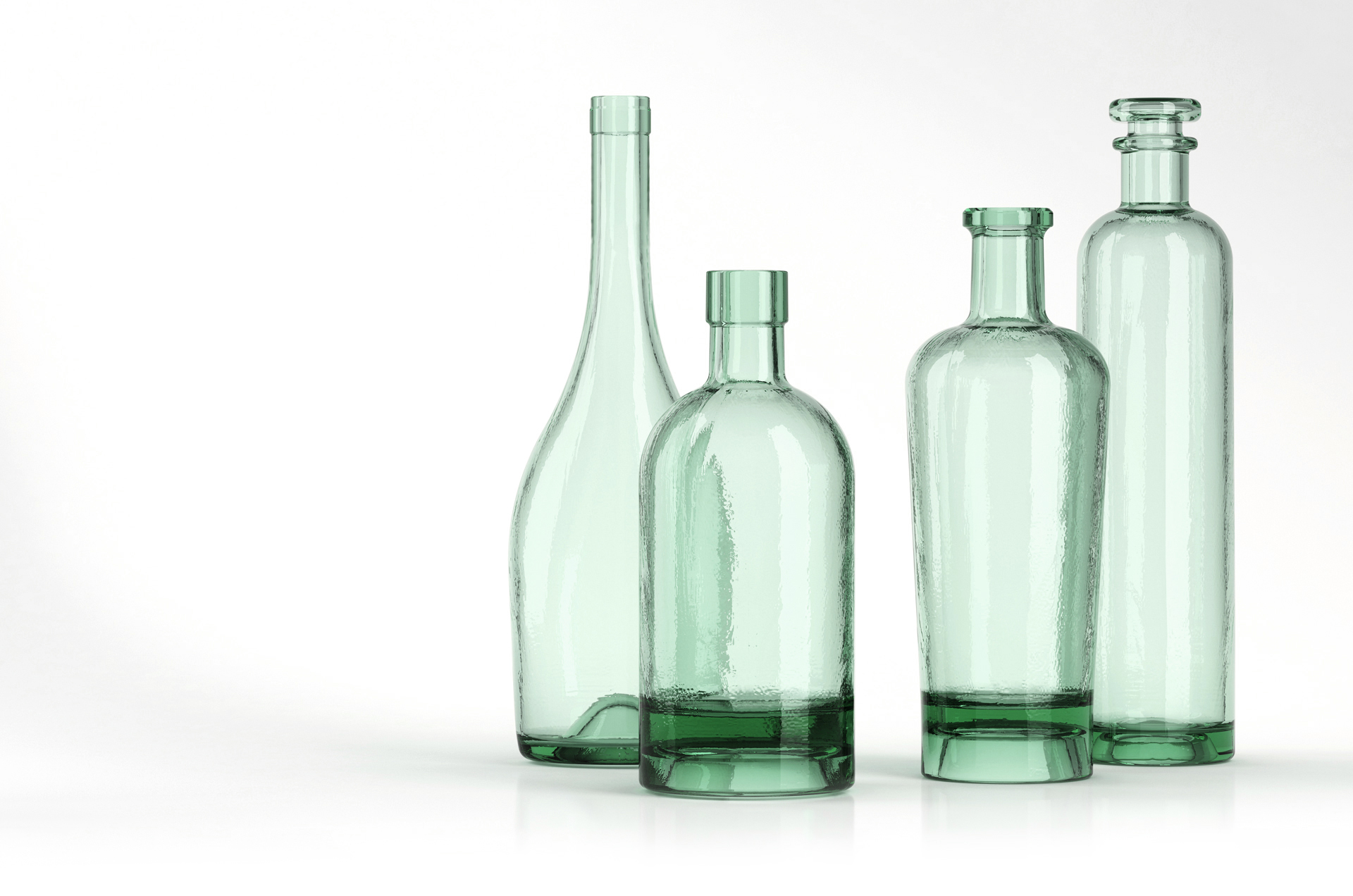
For winemakers balancing sustainability, wine preservation, and aesthetics, Wild Glass is a standout option. The sustainable packaging option from Estal, It is made from 100% post-consumer recycled (PCR) glass. Both light and dark variations offers UV protection and stunning visible appeal:
- Wild Dark Glass is made from a blend of antique green glass and other dark colors. Its rich color makes it an ideal choice for safeguarding wines from light strike while maintaining a premium look.
- Wild Flint Glass combines clarity with UV filtration from minerals that create a natural green-blue tint. This makes it perfect for rosé and white wines, which benefit both from the protection and the visibility.
Explore the Wild Glass Collection for Wines.
Global Package’s team of experts is dedicated to helping you make informed decisions that align with your brand vision and product requirements. We understand the complexities of the wine industry and are committed to providing solutions that enhance both the quality and the marketability of your wines.
The Best Glass Colors for Preserving Spirits
In the world of spirits, just like wine, the choice of glass color goes beyond mere aesthetics. It’s a strategic decision that impacts the longevity, flavor, and ultimately, the perceived value of your product. Recognizing this, Global Package provides expertly designed glass solutions tailored to the specific needs of spirit producers, offering a carefully curated selection of colored glass bottles designed to showcase and safeguard the essence of your spirits.
Amber Glass Bottles for Spirits
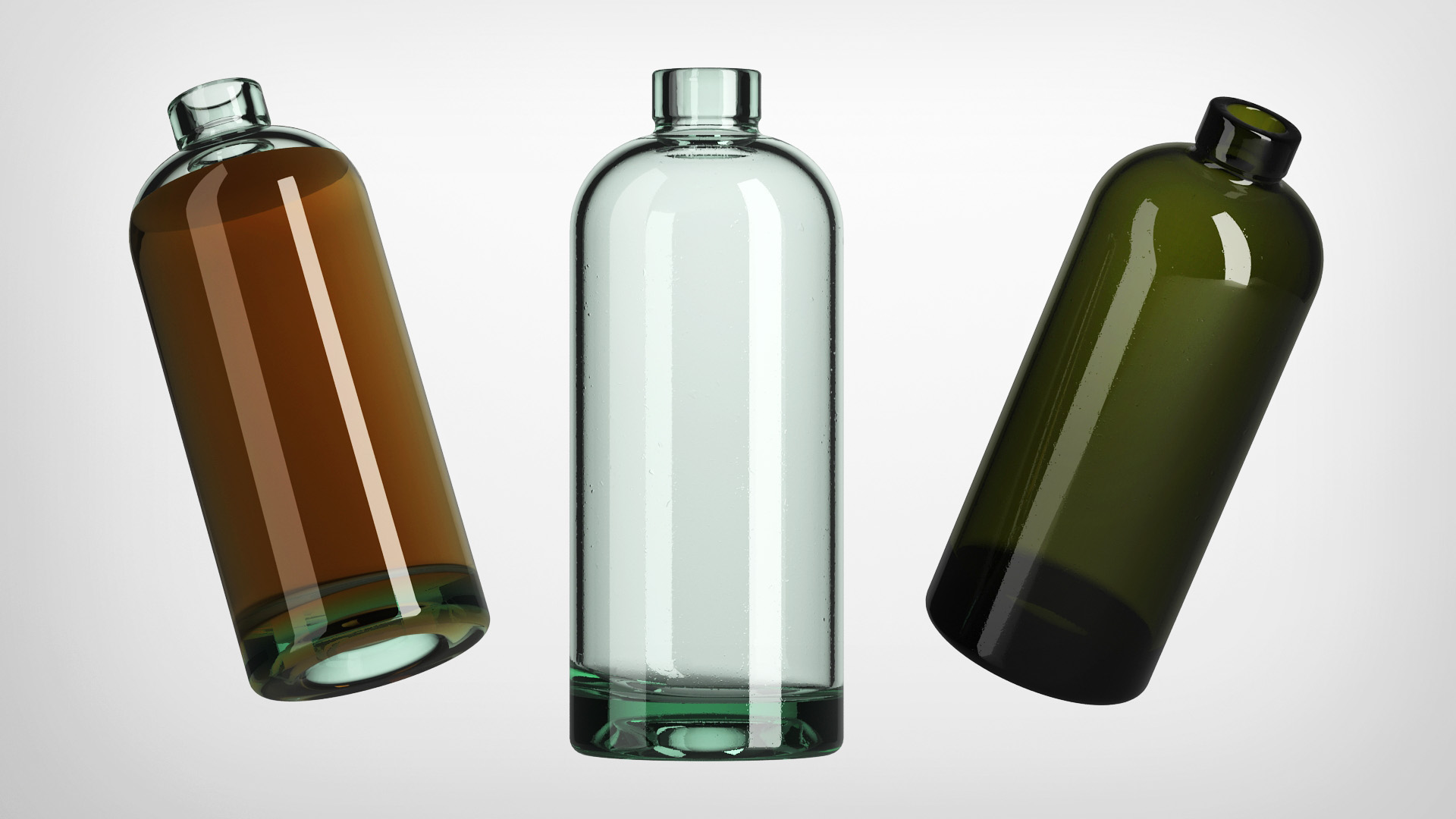
For spirits matured in oak barrels and darker liqueurs, amber glass is the ultimate protector. Its rich, dark hue effectively blocks UV rays, preserving the intricate flavors and aromas developed during aging. This makes it essential for dark spirits like whiskey and rum, where oxidation can compromise both flavor and color, diminishing the spirit’s distinct character.
Green Glass Bottles for Spirits
Traditionally linked to wine, green glass also has its place in spirits packaging, offering moderate UV protection. It’s ideal for spirits less vulnerable to light exposure or designed for quicker consumption. From gin and vodka to liqueurs and apéritifs, green glass provides a versatile solution that balances protection with aesthetics.
Flint Glass Bottles for Spirits
For spirits like vodka where clarity is key, flint glass is the top choice. Its transparency showcases the spirit’s pristine appearance, reflecting its refined craftsmanship. While it lacks UV protection, this is less critical for these chemically stable spirits. However, proper storage remains essential to ensure quality over time.
Wild Glass Bottles for Spirits
For distillers seeking packaging that combines sustainability, UV protection, and a distinctive aesthetic, Wild Glass is an innovative choice. Made by Estal from 100% post-consumer recycled (PCR) glass, it offers both environmental benefits and standout appeal:
- Wild Dark Glass is crafted from antique green and amber glass blends, providing exceptional UV protection. Its bold color and texture make it a strong candidate for spirits requiring preservation and a premium, artisanal appearance.
- Wild Flint Glass merges clarity with sustainability, retaining the natural imperfections that enhance its character. Its subtle green-blue tint adds a unique twist to traditional flint glass, making it a great choice for spirits that rely on visibility while still benefiting from some UV filtration.
Explore the Wild Glass Collection for Spirits
Global Package’s team of experts stands ready to guide you through the process of selecting the perfect glass color for your spirits. We’re committed to helping you create a packaging solution that not only preserves the integrity of your product but also captivates consumers and elevates your brand presence on the shelf.
Elevate your Glass Packaging
Choosing the right glass color for your wine or spirits is far more than a design decision – it’s an essential step in preserving the quality and extending the shelf life of your product. Whether you’re protecting delicate flavors from UV damage with amber or green glass, or showcasing the clarity of a premium spirit in flint glass, the impact on your product’s integrity and market appeal cannot be underestimated.
As a commercial producer, understanding the science behind glass color and light exposure gives you a powerful tool in ensuring that your beverages reach consumers in optimal condition. Global Package is here to help you navigate this crucial choice, offering a range of glass solutions tailored to your needs. By selecting the right packaging, you not only safeguard your product but also enhance its visual impact, ensuring your brand stands out and providing quality customers can trust.
Invest in glass that protects, preserves, and promotes your product – because the right choice can make all the difference.
—
Ready to bring your vision to life? Let Global Package be your partner in crafting a truly exceptional product experience. Email us at sales@globalpackage.net, or call us on +1 707 224-5670 to start a conversation about your packaging needs.
For the latest design inspirations and trends in glass packaging follow us on Instagram.
Sign up for our mailing list to get updates directly to your inbox.

 Send us a question?